
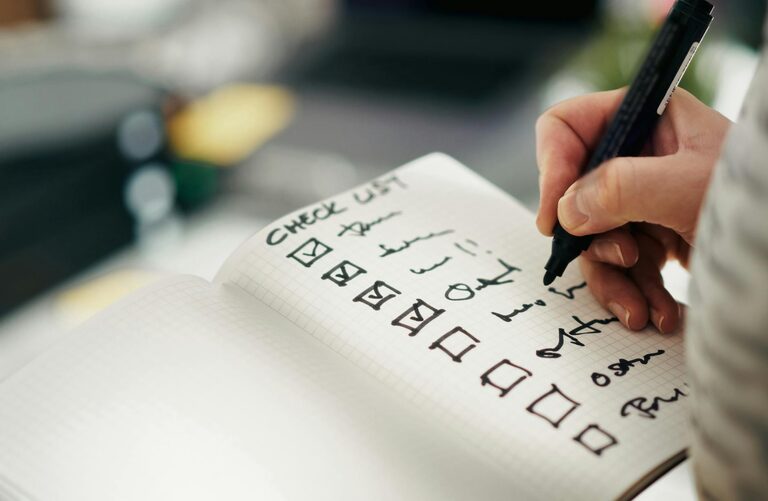
Bullet journaling has become a popular way to organize daily tasks, track habits, and plan ahead—all while allowing room for creativity and personalization. Whether you’re looking to boost your productivity or simply find a new outlet for self-expression, bullet journaling offers a flexible and fun approach to managing your life. If you’re new to bullet journaling, this beginner guide will walk you through the basics to help you get started.
What Is a Bullet Journal?
A bullet journal, often called a “BuJo,” is a customizable planner system created by Ryder Carroll. It combines to-do lists, calendars, habit trackers, and notes into a single notebook using simple symbols known as “bullets.” Instead of using a regular planner, bullet journaling allows you to design your own layout that suits your needs.
The main idea is to capture information efficiently and organize it clearly so you can stay on top of your commitments and goals.
Why Start a Bullet Journal?
– Flexibility: Unlike pre-made planners, bullet journals adapt to your lifestyle without restrictions.
– Creativity: You can decorate pages with drawings, colors, and stickers.
– Mindfulness: Writing things down helps clear your mind and stay focused.
– Goal Tracking: You can monitor habits, progress, and deadlines all in one place.
What You Need to Get Started
Starting a bullet journal doesn’t require fancy supplies. Here’s what you’ll need:
– A Notebook: Any notebook will do, but dotted or grid notebooks are popular because they help with neat layouts.
– Pens: Fine liners or gel pens work well. Colored pens are optional if you like to add color.
– Ruler: For drawing straight lines and boxes.
– Optional: Stickers, washi tape, or stamps for decoration.
Basic Components of a Bullet Journal
Before designing your journal, it’s important to understand the core elements.
1. Index
The index is like a table of contents to help you find important pages quickly. Number your notebook pages and record the page number and title in the index as you add new sections.
2. Future Log
This is a yearly overview where you note down upcoming events, appointments, or deadlines. It helps you see what’s ahead at a glance.
3. Monthly Log
A monthly log typically includes a calendar page and a task list for the month. It helps you organize events and goals specific to that month.
4. Daily Log
The daily log captures your to-dos, appointments, notes, and thoughts for each day. It’s designed to be flexible and change as your day unfolds.
5. Collections
Collections are customized lists or trackers that don’t fit into standard logs. Examples include habit trackers, book lists, meal planners, or project outlines.
How to Use Bullet Journal Symbols (Bullets)
The name “bullet journal” comes from the method of using symbols to categorize entries quickly.
Here are some common symbols:
– • (Bullet): Task
– ○ (Circle): Event
– – (Dash): Note
– X: Completed task
– > (Right Arrow): Task migrated to a different day or month
– < (Left Arrow): Task scheduled for the future
Feel free to customize your own symbols to suit your preferences.
Step-by-Step: Setting Up Your First Bullet Journal
Step 1: Set Up Your Index
Reserve the first two pages for the index. Number all subsequent pages in your notebook.
Step 2: Create Your Future Log
Divide two pages into 6-12 sections, each labeled with a month. Write down important upcoming dates and events.
Step 3: Make Your First Monthly Log
On one page, list the days of the month vertically with their initials (M, T, W, etc.). On the opposite page, write down tasks and goals for the month.
Step 4: Start Your Daily Logs
Begin with today’s date at the top of a new page. Add tasks, events, and notes as they come. Use your bullets to keep things organized.
Step 5: Add Collections Over Time
Create pages for habit trackers, gratitude logs, or anything meaningful to you. Add these collections to your index.
Tips for Maintaining Your Bullet Journal
– Keep your journal nearby so you can update it throughout the day.
– Regularly review your tasks and migrate unfinished items.
– Don’t worry about perfection—your journal is for you.
– Experiment with layouts and find what works best.
– Use colors and decorations sparingly to avoid overwhelm.
Inspiration for Your Bullet Journal
If you’re looking for design ideas or templates, many creators share pages on sites like Pinterest, Instagram, and YouTube. Explore different styles—from minimalist to highly artistic—and adapt what resonates with you.
Final Thoughts
Bullet journaling is more than just a planner—it’s a tool for mindfulness, creativity, and personal growth. Starting your own bullet journal can feel overwhelming, but by following this beginner guide, you’ll develop a system that fits your life perfectly. Remember, the most important part is making your bullet journal your own. Happy journaling!