
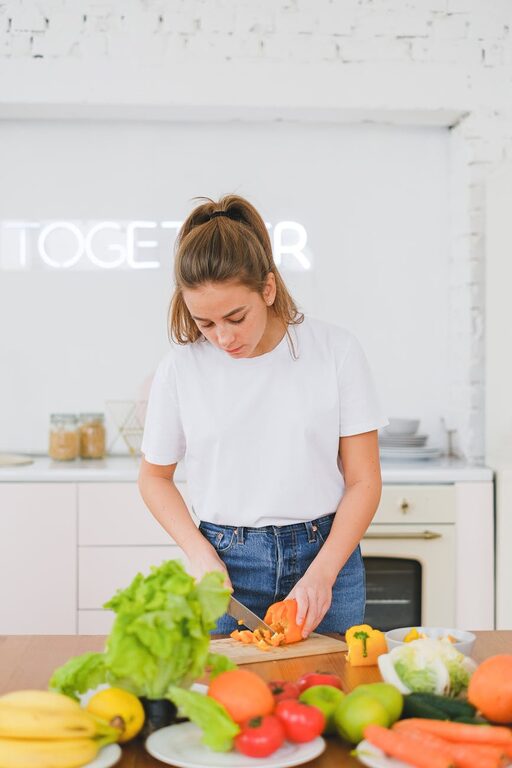
Eating balanced meals is essential for maintaining good health and energy throughout the day. However, planning nutritious meals can sometimes feel overwhelming, especially with busy schedules. The good news is that creating balanced meals doesn’t have to be stressful or complicated. With a few simple strategies, you can enjoy healthy and delicious meals every day without the hassle.
What Are Balanced Meals?
Balanced meals include the right proportions of proteins, carbohydrates, healthy fats, and plenty of fruits and vegetables. This combination provides your body with the nutrients needed for energy, growth, and overall wellness.
A basic plate might consist of:
– Protein: Chicken, fish, beans, tofu, or eggs
– Carbohydrates: Whole grains like brown rice, quinoa, or whole-wheat bread
– Healthy Fats: Avocado, nuts, olive oil
– Vegetables and Fruits: A colorful variety to supply vitamins, minerals, and fiber
Step 1: Understand Your Needs
Before planning your meals, consider:
– Your daily activity level
– Food preferences and any allergies
– Time available for cooking
– Any specific nutritional goals, like weight maintenance or increased energy
Knowing these helps tailor your meal plan to suit your lifestyle, making it more manageable.
Step 2: Start with a Simple Meal Template
Using a simple framework reduces decision fatigue. For example:
| Meal | Protein | Carb | Veggies/Fruit | Healthy Fat |
|————-|—————-|—————-|—————-|—————–|
| Breakfast | Eggs or yogurt | Whole grain toast or oatmeal | Berries or spinach | Nuts or seeds |
| Lunch | Grilled chicken or beans | Brown rice or quinoa | Mixed salad or steamed broccoli | Olive oil dressing |
| Dinner | Fish or tofu | Sweet potatoes or whole wheat pasta | Roasted vegetables | Avocado slices |
Having this template makes grocery shopping easier and speeds up meal prep.
Step 3: Plan Ahead with a Weekly Menu
Spend a few minutes each week planning your meals. This helps you:
– Avoid last-minute unhealthy choices
– Save money by buying only what’s needed
– Reduce food waste
Start with 3–5 main meals you can rotate through the week. You can also batch cook some meals or ingredients like grains and roasted veggies to mix and match.
Sample Weekly Meal Plan
Monday
– Breakfast: Greek yogurt with honey and walnuts
– Lunch: Quinoa salad with chickpeas and veggies
– Dinner: Baked salmon with sweet potato and steamed asparagus
Tuesday
– Breakfast: Oatmeal with banana and almond butter
– Lunch: Turkey and avocado wrap with a side salad
– Dinner: Stir-fried tofu with brown rice and mixed vegetables
…and so on.
Step 4: Use Smart Grocery Shopping Strategies
– Write a detailed shopping list based on your meal plan
– Stick to the perimeter of the store for fresh produce, meats, and dairy
– Choose whole, minimally processed foods
– Buy frozen vegetables and fruits for convenience and longer shelf life
Step 5: Practice Simple Meal Prep
Meal prepping saves time and reduces stress on busy days. Consider:
– Washing and chopping vegetables in advance
– Cooking grains or proteins in bulk
– Portioning out meals in containers for grab-and-go options
Even 30 minutes of prep once or twice a week can make a big difference.
Step 6: Keep It Flexible and Enjoy Variety
A balanced diet includes a wide range of foods. Keep your meals interesting by:
– Trying new recipes or cuisines
– Swapping proteins and vegetables regularly
– Using herbs and spices to enhance flavors
Don’t be afraid to adjust your plan based on your mood or schedule. Flexibility helps keep meal planning sustainable.
Tips for Reducing Stress While Meal Planning
– Use apps or planners designed for meal tracking
– Cook with family or friends to share the workload
– Allow yourself treats occasionally to avoid feelings of restriction
– Focus on progress rather than perfection
Final Thoughts
Planning balanced meals doesn’t have to be stressful. With a clear understanding of your needs, a simple meal template, and some preparation, you can enjoy nutritious, tasty meals every day. Start small, be consistent, and watch how healthy eating becomes a natural part of your lifestyle.
Happy cooking!